
Clear Signs Your Brand Needs a Rebrand

If you’ve been wondering about the signs your brand needs a rebrand, you are not alone. Many growing businesses reach a point where their work has evolved but their brand no longer reflects their current level.
There comes a stage in business when growth is obvious, yet something feels slightly misaligned. Your expertise is stronger, your pricing has shifted and your clients expect more. Yet your positioning still reflects an earlier chapter.
1. Your Messaging Feels Safe Instead of Specific
When you first launched, broad language gave you room to explore. It allowed flexibility and kept your options open. Over time, however, that same flexibility can start to dilute your authority.
If your website could describe dozens of businesses in your industry, it’s no longer positioning you with intention. It’s blending you into the noise.
Clarity doesn’t mean saying more; it means saying what matters with precision. When your messaging no longer feels sharp or grounded in who you truly serve, it’s often a sign that refinement is necessary.
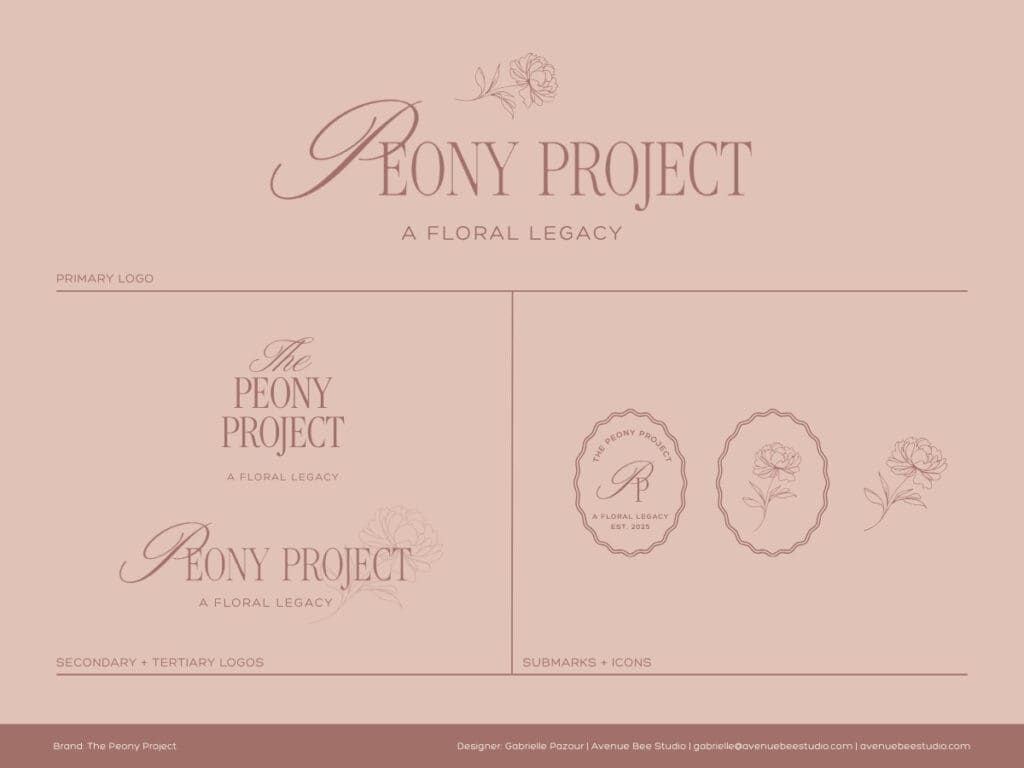
2. Your Visual Identity No Longer Reflects Your Level
This does’t mean your logo is wrong or that your brand is objectively flawed. It means your visual system no longer mirrors the sophistication of your work.
Perhaps your typography feels casual while your clients are increasingly established. Perhaps your color palette does’t align with your pricing. Or maybe your brand feels slightly inconsistent across platforms, even though each individual element looks fine on its own.
When perception and reality fall out of sync, trust erodes quietly. Refinement isn’t about chasing trends. Instead, it’s about realigning your brand with who you are now and where you’re headed next.
3. You’re Attracting Clients Who Don’t Match Your Direction
One of the clearest indicators of outdated positioning is misalignment in inquiries.
If you consistently receive interest from clients who don’t fit your pricing, scope or expertise, your brand is communicating something unintended. And while it may feel like a marketing issue, it’s often a positioning issue.
Your brand sets expectations before you ever speak to someone. When those expectations are unclear, the right clients hesitate and the wrong ones feel comfortable moving forward.
4. Your Website Feels Like It Belongs to an Earlier Chapter
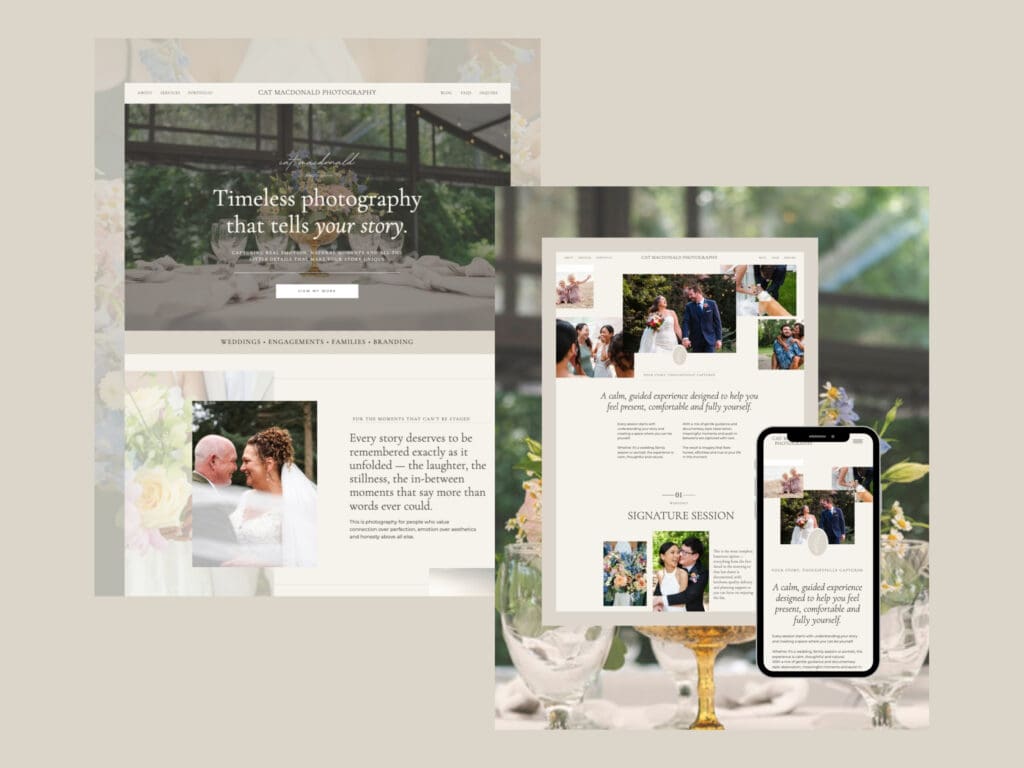
Many established businesses continue operating on websites built during their launch phase. In the beginning, minimal structure and generalized messaging can work because visibility is the priority.
As your business matures, however, clarity becomes more important than visibility. Growth requires thoughtful architecture. Your website should communicate value, differentiation and direction with ease. If it feels like it is underselling you, it likely is.
A refined business needs a refined digital foundation.
5. You Hesitate Before Sharing Your Website
This is often the most honest signal.
If you over explain your services on calls or preface your link with context, you are already aware of the misalignment. If you think it works for now, you likely know it is not fully aligned.
Refinement is not vanity. It’s confidence. Your brand should feel like a reflection of your current level, not a reminder of where you began.
Growth Naturally Demands Realignment
Launching and refining are very different decisions.
Early stage brands prioritize visibility because they need momentum. Growth stage brands prioritize clarity because they need alignment.
I’ve gone through several brand realignments myself, even within my first year in business. Each shift reflected growth, clearer direction and a stronger understanding of who I serve. None of those refinements were reactive. They were intentional responses to evolution.
Refinement signals maturity. It communicates that your business knows where it’s going and is ready to support that direction with structure and cohesion.
If any of these signs resonate, resist the urge to overhaul everything at once. Outgrown positioning doesn’t always require a full rebrand. Sometimes it calls for sharper messaging. Sometimes stronger architecture. Sometimes more cohesive visual alignment.
The key is diagnosing the root issue before redesigning the surface. Design without positioning becomes decoration. Refinement without strategy becomes temporary.
Understanding the signs your brand needs a rebrand allows you to respond strategically instead of reactively.
Preparing for a refinement or considering a new digital foundation? Inquire about your project. I’d love to work with you!
< Back to all posts


